
Would You Buy From Your Own Dealership? A Hard Look at Customer Experience

Would You Buy From Your Own Dealership? A Hard Look at Customer Experience
Most dealership owners and managers believe they understand their customer experience. They spend every day inside the business, managing people, processes, inventory, and challenges. But customers never see that internal context. They only experience what happens in the moment.
That disconnect was the focus of this Dealer’s Edge OPE Community Talk led by Clint Sanders. The session challenged dealers to step back and ask a simple but revealing question: Would you buy from your own dealership if you had no relationship, no loyalty, and no inside knowledge?
The discussion drew on real examples from dealership operations, competitor visits, and secret shopper experiences. The takeaway was clear. Customer experience is not a secondary concern. It is a core driver of retention, reputation, and long‑term dealership success.
Customer Experience Matters More Than Price
Many dealerships assume customers leave because of the price. While pricing always plays a role, the group agreed it is rarely the main reason customers walk away.
More often, customers leave because the experience is difficult. That difficulty may show up as slow response times, unclear communication, or a lack of personal connection. Over time, these issues compound and push customers toward competitors.
Dealerships lose customers when:
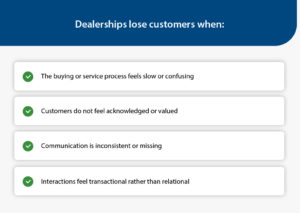
- The buying or service process feels slow or confusing
- Customers do not feel acknowledged or valued
- Communication is inconsistent or missing
- Interactions feel transactional rather than relational
As several participants noted, customers regularly choose businesses that cost more simply because they are easier to work with. Experience reduces friction and builds trust in ways price alone cannot.
First Impressions Shape Decisions Quickly
Customers begin forming opinions long before a salesperson speaks. Those first impressions are often based on what they see, not what they are told.
Participants discussed how factors like cleanliness, organization, and atmosphere quietly influence trust and confidence.
Customers notice:
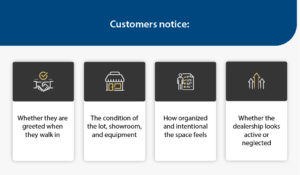
- Whether they are greeted when they walk in
- The condition of the lot, showroom, and equipment
- How organized and intentional the space feels
- Whether the dealership looks active or neglected
Several speakers compared dealerships to restaurants or retail stores. If a space looks uncared for, customers question the quality of everything else, including service and repairs.
Sales Should Reduce Stress, Not Add It
The group drew a clear distinction between helpful sales and pushy sales. Helpful sales experiences guide customers toward the right solution. Pushy sales experiences overwhelm, confuse, or rush them.
Strong sales experiences typically include:
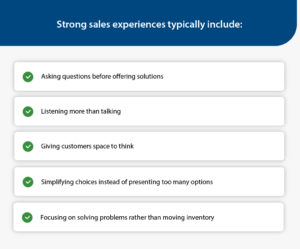
- Asking questions before offering solutions
- Listening more than talking
- Giving customers space to think
- Simplifying choices instead of presenting too many options
- Focusing on solving problems rather than moving inventory
One recurring point was that confusion often drives customers away. Simplifying the sales process builds confidence and makes decisions easier.
Relationships Drive Repeat Business
Across the discussion, one theme remained consistent. Customers return to dealerships where they feel known and respected.
Simple relationship‑focused actions make a meaningful difference:
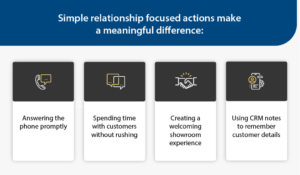
- Answering the phone promptly
- Spending time with customers without rushing
- Creating a welcoming showroom experience
- Using CRM notes to remember customer details
These behaviors build trust and loyalty that competitors struggle to replicate, even with aggressive pricing.
The Service Department Builds or Breaks Trust
If sales brings customers in, service determines whether they stay. Participants described poor service as a slow but powerful erosion of trust.
Common service frustrations included:
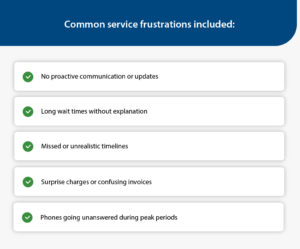
- No proactive communication or updates
- Long wait times without explanation
- Missed or unrealistic timelines
- Surprise charges or confusing invoices
- Phones going unanswered during peak periods
Even quality repair work can be overshadowed by poor communication. Customers want transparency and reassurance throughout the service process.
Small Changes Can Improve Customer Experience Quickly
One encouraging takeaway was that improving customer experience does not require major investment. Many impactful changes are operational and achievable.
Examples discussed included:
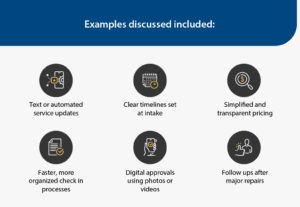
- Text or automated service updates
- Clear timelines set at intake
- Simplified and transparent pricing
- Faster, more organized check‑in processes
- Digital approvals using photos or videos
- Follow‑ups after major repairs
Clear expectations reduce frustration for customers and stress for staff.
Is Your Dealership Easy to Do Business With?
As the session concluded, dealers were encouraged to think beyond industry norms. Customers compare dealerships not only to competitors, but to businesses that prioritize speed and convenience.
Key questions raised included:
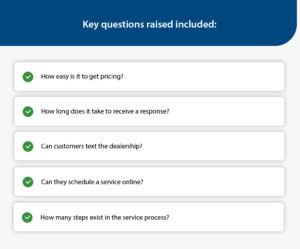
- How easy is it to get pricing?
- How long does it take to receive a response?
- Can customers text the dealership?
- Can they schedule a service online?
- How many steps exist in the service process?
Every extra step adds friction. Simplifying processes improve both customer satisfaction and operational efficiency.
Dealerships that succeed in the years ahead will not win on price alone. They will stand out because they are easy to trust, easy to communicate with, and easy to do business with.
Customer experience is built through daily decisions across sales, service, and operations. Customers may forget what they paid, but they will remember how they were treated.
Thank you to everyone who joined this Dealer’s Edge conversation and shared what is happening inside their dealerships.
Dealer’s Edge meets every second Friday of the month at 11 am ET. It brings dealers together to talk through the challenges, opportunities, and decisions that shape our businesses. Topics include sales, service, operations, staffing, and growth. If you want to learn from peers, share practical ideas, and take part in honest conversations that move the industry forward, join us.